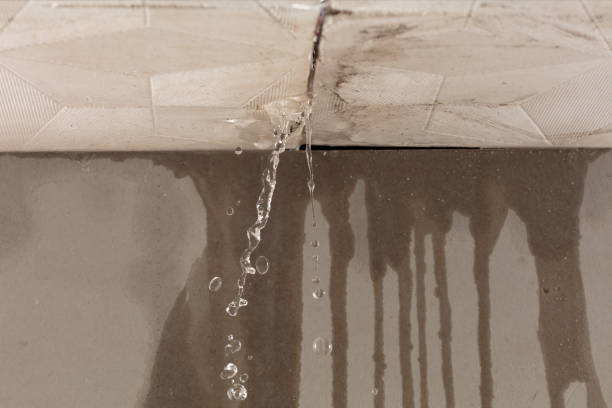
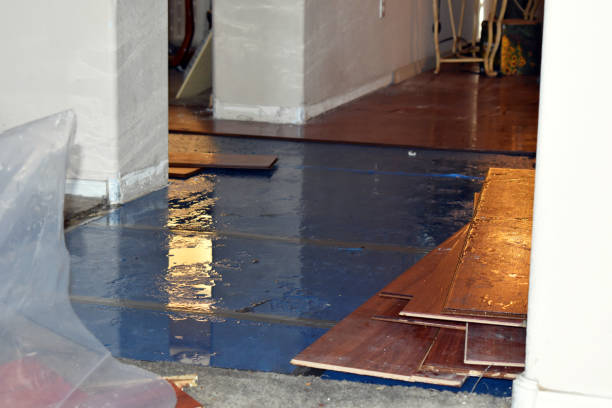
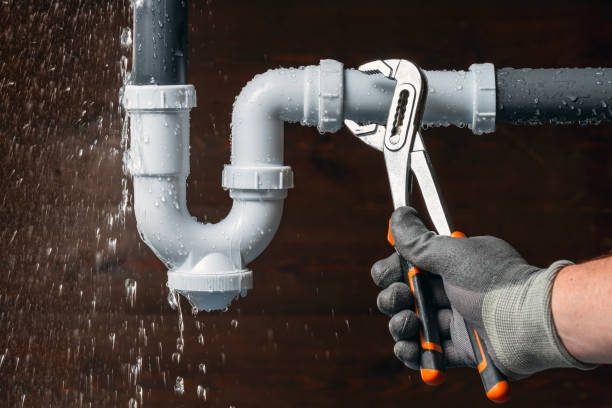
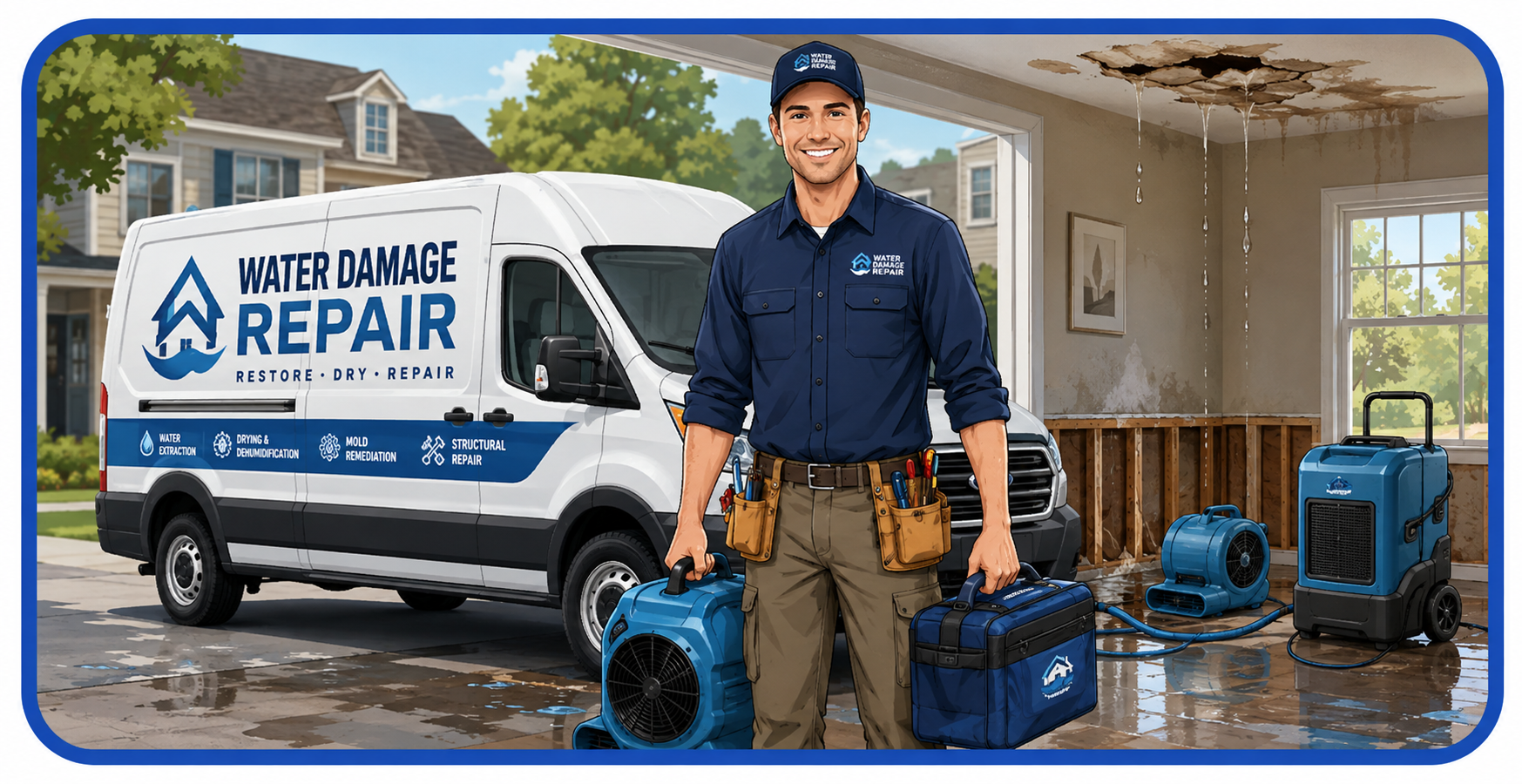
There's a specific kind of dread that comes with standing water spreading across a Port Jefferson Station living room floor. We're built to shorten that window between the panic and the fix.
Call +1-844-578-1604
Crews staged inside Port Jefferson Station limits
Flat-rate quote before any equipment runs
IICRC-certified technicians on every truck

We run our Port Jefferson Station operation on IICRC-certified technicians and commercial-grade equipment, not a subcontractor list we pull from when the phone rings.
Our Port Jefferson Station dispatch desk is staffed around the clock by people, not an automated queue, which matters most at exactly the hour you're calling.
Homeowners dealing with a flood are stressed enough without technical jargon, so we train our crews to explain the process in plain terms from the first phone call.
Not every water problem announces itself with a flooded floor. Most start quietly, and catching one of these signs early is usually the difference between a same-day fix and a much bigger repair.
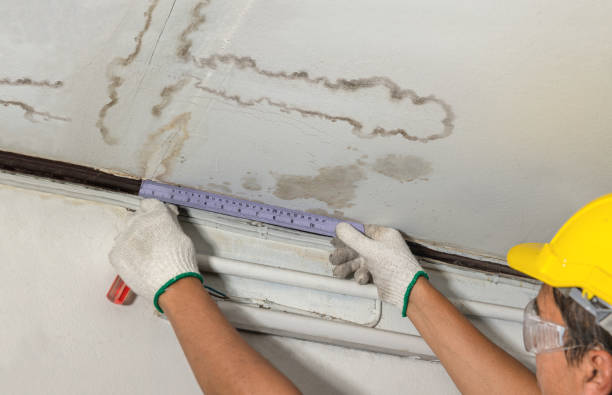
Fresh paint over an old stain can hide the problem visually for a month or two, right up until the drywall paper backing gives out.
A musty note that wasn't there a season ago usually means microbial growth has started somewhere behind a wall or under flooring, well before you can see anything.
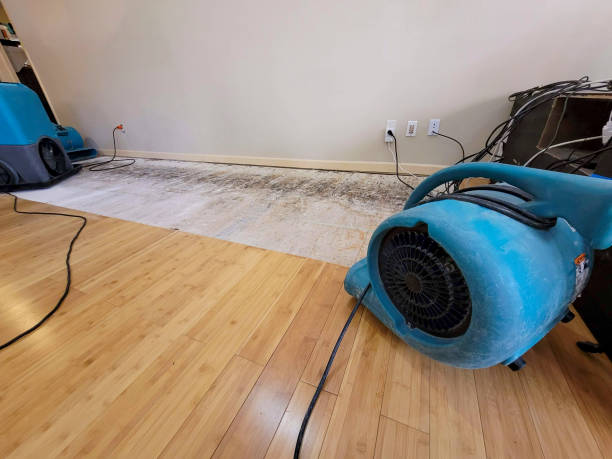
Flooring that shifts slightly when you walk on it, even subtly, is worth a moisture reading before it gets worse.
A sudden increase in usage with no change in household habits is often the earliest sign of a slab leak, well before any visible water shows up.
Wallpaper that suddenly lifts at the seams after holding fine for years often signals a change in the humidity or moisture level inside that wall cavity.
A small patch of mold in a corner or along a baseboard means conditions behind that surface have supported growth for a while — the source needs to be found, not just wiped away.
Catching two or more of these signs at once usually means it's past time for a proper inspection.
We don't split Flood Damage Cleanup into separate vendors for extraction, drying, and repair — one crew stays accountable for the whole job, from the first wet-vac pass to the final coat of paint.
Every service below gets the same documentation standard, whether it's a single wet closet or a full commercial loss.
We treat extraction speed as the single biggest variable we control — every additional hour of standing water raises the odds of secondary damage.
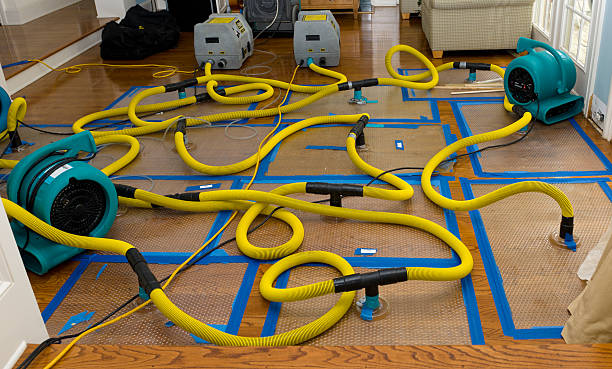
Daily drying logs track humidity and surface moisture at every checkpoint, giving you documented proof of progress instead of a verbal 'it's getting there.'
Our sewage cleanup protocol follows IICRC S500 guidelines start to finish, including isolation of the affected zone and disposal documentation.
Antimicrobial treatment on studs, subfloor, and other porous surfaces happens during the drying phase, especially anywhere that stayed wet more than 48 hours.
Reconstruction starts from the actual drying documentation, not a fresh guess, which keeps the repair scope accurate.
We inventory and relocate contents that need to leave the affected area, then coordinate their return once the space is verified dry.


Four steps, no guesswork — here's exactly what happens between your call and a verified-dry structure.
Dispatch gathers just enough detail to load the right equipment before the truck leaves the lot.
Skipping or rushing this step is how hidden moisture pockets turn into a mold problem months down the line.
Equipment placement follows the specific psychrometric numbers from assessment, not a generic pattern used on every job.
Final verification is where corners often get cut industry-wide; we treat it as mandatory.
None of these four things matter in isolation — it's the combination of licensing, speed, honest pricing, and a real guarantee that actually changes the outcome of a water emergency.
Every technician carries IICRC certification, and every crew works fully insured — documentation available whenever you want it.
Regionally staged trucks mean a crew often arrives before a national chain's call center finishes the intake questionnaire.
The number we quote is the number you pay, regardless of how long the drying cycle runs.
If a drying target isn't hit on schedule, equipment stays on-site at no extra charge until the readings confirm it's dry.
Every job closes with documented moisture verification, because a promise without data behind it isn't much of a promise.
Technicians aren't rewarded for closing jobs quickly, which keeps the incentive pointed at actually finishing the drying right.
Call +1-844-578-1604Aqua Guard Water Damage routes crews across Port Jefferson Station and its surrounding zip codes, including 11733 11776, so response times hold steady no matter which side of town the call comes from.
We track call patterns by zip code across Port Jefferson Station to keep crew staffing matched to where emergencies actually happen.

"I've dealt with contractors before who talk a big game and disappear. The crew here in Port Jefferson Station actually showed up on time and stayed in touch through the whole drying process."
Renee A., Port Jefferson Station"They found mold starting behind our baseboards before it spread and handled containment properly instead of painting over it like a previous company tried."
Owen D., Port Jefferson Station"They didn't cut corners on the sanitization step even though it clearly slowed them down — with two kids in the house, that mattered to us."
Fatima J., Port Jefferson Station"Fast response and clear pricing, and they handled the back-and-forth with my insurance adjuster directly, which saved me a genuinely stressful week."
Lucas P., Port Jefferson Station"Getting a daily drying log meant we always knew where the job stood instead of a vague verbal update."
Grace T., Port Jefferson Station"Working a commercial job around our business hours could have been a scheduling nightmare, but they made it simple."
Nathaniel W., Port Jefferson Station"A cracked supply line under our kitchen sink went unnoticed for days, and by the time we called, the subfloor was saturated. They only replaced what actually tested wet, not the whole floor."
Bianca H., Port Jefferson Station"They explained the crawl space drainage issue in plain terms instead of technical jargon, and fixed it on the spot rather than scheduling a separate trip."
Derek S., Port Jefferson Station"They found the actual source of the leak instead of just drying the surface damage, which saved us from the same problem happening again in a month."
Melissa C., Port Jefferson Station"A dishwasher supply line failed while we were on vacation and came home to a soaked kitchen floor. They handled the extraction, drying, and coordination with our property manager without us having to fly back early."
Victor N., Port Jefferson Station